|


 Send Inquiry
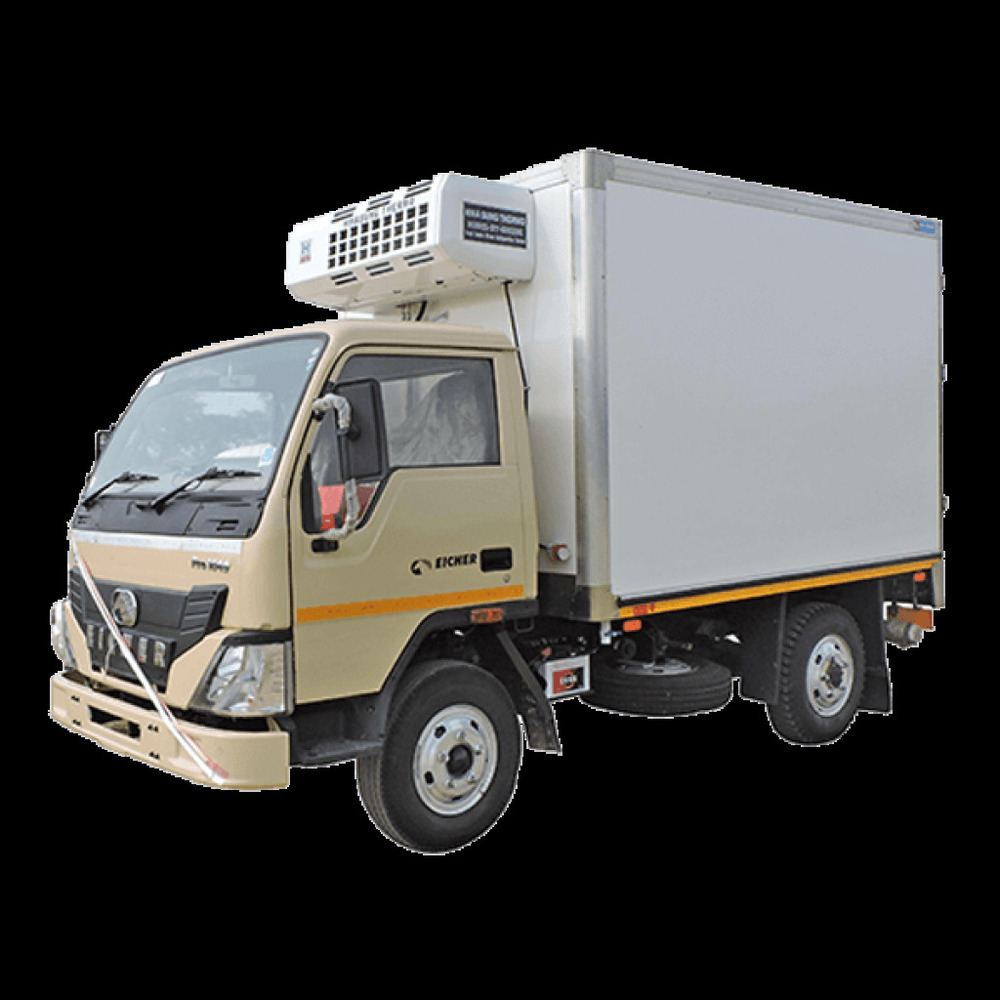
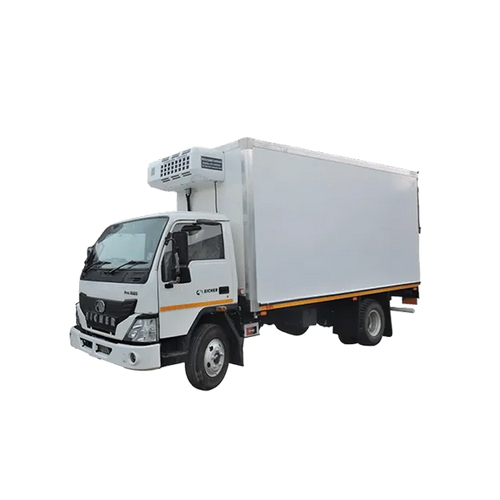
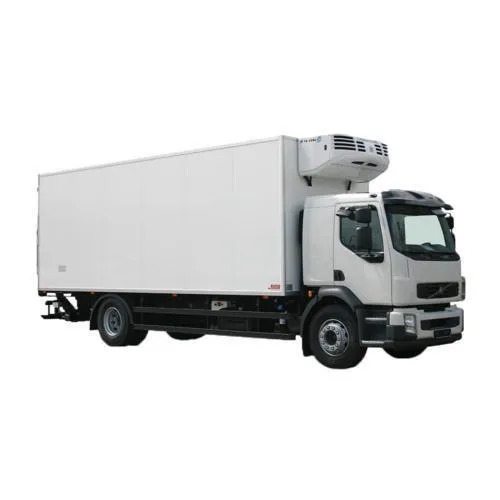
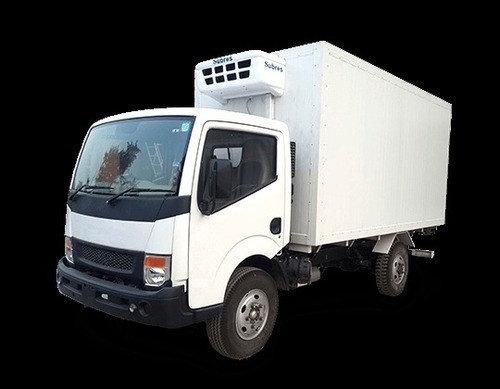
SS Refrigerated PUF Insulated Truck
Price 1500000.00 INR/ Unit
MOQ : 1 Unit
SS Refrigerated PUF Insulated Truck Specification
- Storage Material
- Food Storage
- Transmission Type
- N/A
- Sheet Thickness
- 50mm
- Load Capacity
- 20 Tonne
- Usage Application
- Industrial
- Fuel Type
- Diesel
- Material
- Stainless Steel
- Size
- Standard
SS Refrigerated PUF Insulated Truck Trade Information
- Minimum Order Quantity
- 1 Unit
- Payment Terms
- Cash Advance (CA)
- Supply Ability
- 10 Units Per Month
- Delivery Time
- 7 Days
- Main Domestic Market
- All India
About SS Refrigerated PUF Insulated Truck
SS Refrigerated PUF Insulated Truck is a type of refrigerated vehicle designed for transporting temperature-sensitive goods, such as food, pharmaceuticals, and chemicals. The PUF insulation helps retain the cold or heat inside the truck, while the stainless steel construction ensures durability, resistance to corrosion, and ease of cleaning. The combination of PUF insulation and efficient refrigeration reduces energy consumption, which can lower operational costs. Stainless steel's strength and resistance to environmental wear and tear ensure the vehicle can handle long-term use, even in harsh conditions. The lightweight design of the SS Refrigerated PUF Insulated Truck reduces fuel consumption, and the effective insulation minimizes refrigeration energy use, leading to overall cost savings.
Specifications of SS Refrigerated PUF Insulated Truck:
| Insulation Type | PUF |
| Emission Compliances | BS3 |
| Refrigerant | R404a |
| Cooling Unit | Engine Powered |
| Temperature Range | -22 DegreeC to - 2 DegreeC |
| Country of Origin | Made in India |
| Capacity | 20 ton |
| Container Length | 40 ft |
| Material | SS |
Superior Temperature Control for Food Logistics
Our SS Refrigerated PUF Insulated Truck utilizes 50mm thick PUF panels combined with premium stainless steel construction to maintain consistent low temperatures. This ensures sensitive food items remain fresh during transit, reducing spoilage and operational losses for food industry players.
Designed for Industrial-Scale Transportation
With a mighty 20-tonne load capacity, this vehicle is perfect for large-scale food storage and distribution applications. Its standard size accommodates a broad range of storage needs, making it a preferred choice for manufacturers, suppliers, and traders in India's dynamic food logistics sector.
FAQ's of SS Refrigerated PUF Insulated Truck:
Q: How does the PUF insulation improve the truck's performance for food storage?
A: Polyurethane Foam (PUF) insulation with 50mm thickness significantly enhances the thermal efficiency of the truck, maintaining steady low temperatures necessary for the safe transport of perishable food items. This helps minimize temperature fluctuations, ensuring maximum freshness from origin to destination.Q: What types of materials can be stored in the refrigerated truck?
A: This refrigerated truck is specifically engineered for food storage, making it ideal for transporting dairy products, fresh produce, seafood, meats, and other perishable items. Its design ensures compliance with industry standards for food safety.Q: When is this refrigerated truck most beneficial for industrial businesses?
A: The truck proves most beneficial when businesses need to transport large quantities of food over long distances, especially in India's varied climate. It supports bulk shipments for suppliers and distributors requiring timely and secure food deliveries.Q: Where can the SS Refrigerated PUF Insulated Truck be sourced in India?
A: This truck can be obtained through leading manufacturers, suppliers, and traders spread across India. Companies specializing in refrigerated transport vehicles provide options for purchase or fleet integration according to specific business requirements.Q: What is the process for maintaining the temperature inside the truck during transportation?
A: The truck uses a diesel-powered refrigeration unit in combination with its PUF insulated panels to create and retain chilled environments. Regular checks and proper loading practices further secure consistent temperatures and prevent heat intrusion.Q: How is the stainless steel construction advantageous for industrial usage?
A: Stainless steel offers robust protection against corrosion and wear, essential for the demanding conditions of repeated food transport. Its durability ensures a longer lifespan for the vehicle and supports easier sanitation after each use.Q: What are the key benefits of using this truck for industrial food logistics in India?
A: The main advantages include substantial load capacity, efficient temperature retention, improved food safety, and cost-effective diesel operation. These features help companies protect their cargo, meet compliance regulations, and streamline distribution operations.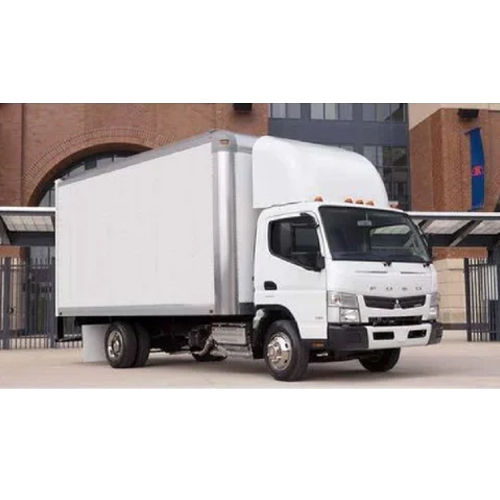
Tell us about your requirement

Price:
Quantity
Select Unit
- 50
- 100
- 200
- 250
- 500
- 1000+
Additional detail
Mobile number
Email

More Products in Refrigerated Van And Truck Category
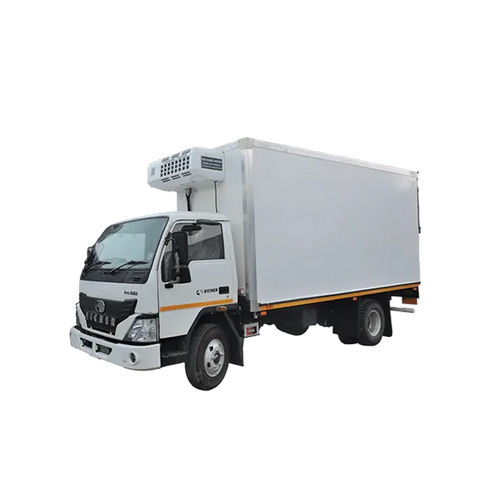
Food Transport Refrigeration Truck
Price 1000000.00 INR / Unit
Minimum Order Quantity : 1 Unit
Storage Material : Food Transport
Material : Stainless Steel
Storage Type : Food Transport
Load Capacity : 10 Tonne

Contact Details

- 150/151, Kalapataru Paper Mill Compound, Khatral Thol Road, Karoli, Ahmedabad - 380060, Gujarat, India
- Phone : 08037735417
KEON REFTEC PRIVATE LIMITED
GST : 24AAHCK3127E1ZX

- Mr Omkar B. Rajpurohit (Director)
- Mobile : 08037735417
- Send Inquiry
 Send Inquiry
|

KEON REFTEC PRIVATE LIMITED
All Rights Reserved.(Terms of Use)
Developed and Managed by Infocom Network Private Limited.
Developed and Managed by Infocom Network Private Limited.


 English
 Spanish
 French
 German
 Italian
 Chinese (Simplified)
 Japanese
 Korean
 Arabic
 Portuguese